
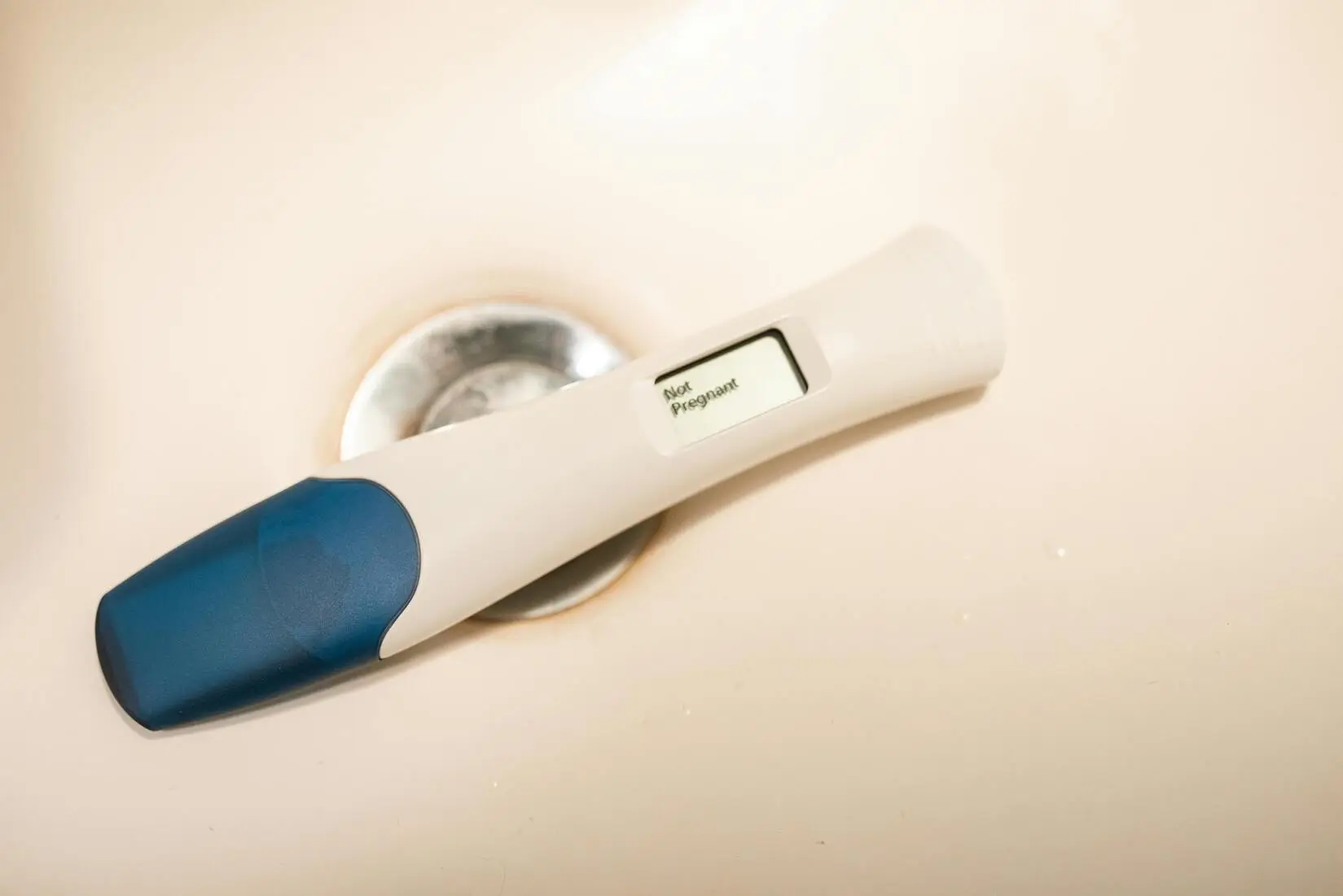
Negative Pregnancy Test Weeks After Implantation: What It Means and What to Do
Can You Get a Negative Pregnancy Test Weeks After Implantation?
Getting a negative pregnancy test weeks after implantation can feel confusing and stressful, especially if you were tracking ovulation and felt confident about timing. The short answer is: yes, this can happen, and several explanations exist depending on your specific situation.
Implantation typically occurs 6 to 12 days after ovulation. Once the embryo implants, the placenta begins producing human chorionic gonadotropin (hCG), the hormone detected by home pregnancy tests. In most successful pregnancies, hCG rises rapidly, and a test taken even 10–14 days after implantation should produce a clear positive result.
However, if you are receiving a negative result weeks after what you believe was implantation, there are important factors to consider, ranging from test timing errors to biological reasons for low or absent hCG levels.
Understanding why your test is negative is the first step to knowing what action to take next.
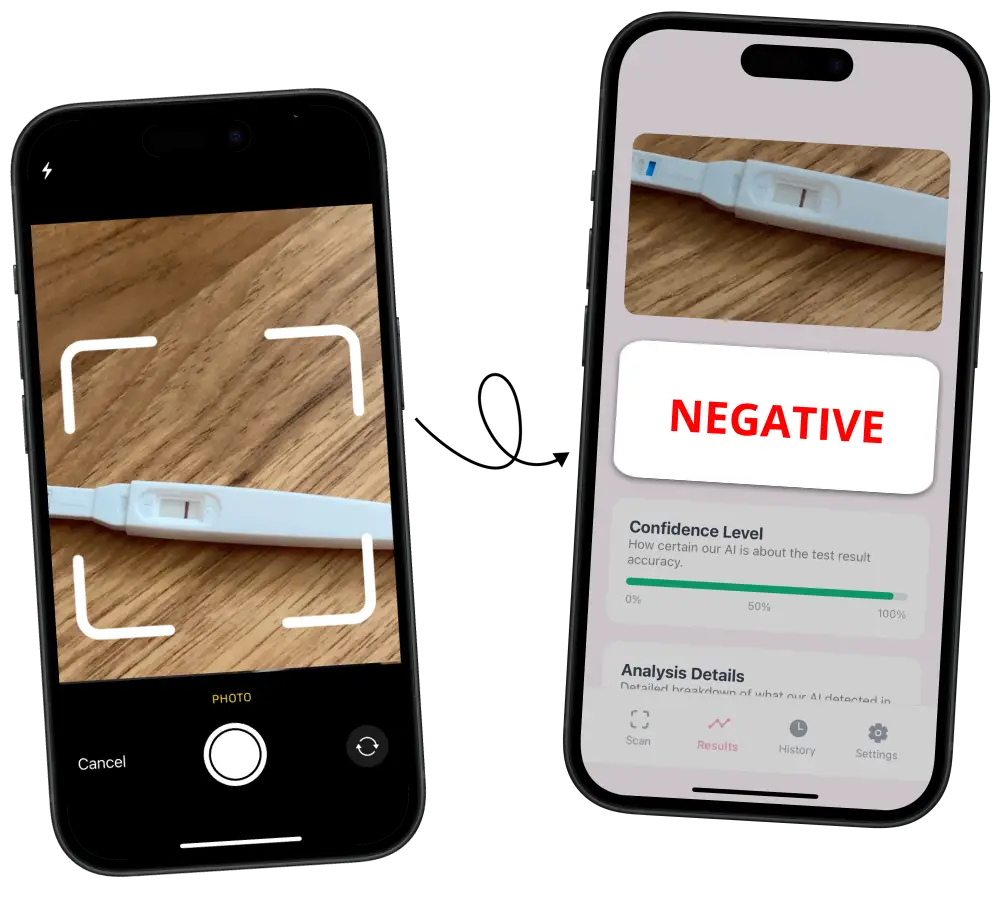
Let AI Check Your Pregnancy Test
Just take a photo and get result

How hCG Levels Work After Implantation
After implantation, hCG levels double approximately every 48–72 hours in a healthy pregnancy. This rapid rise means that by the time your period is missed, most tests will easily detect the hormone.
Here is a general hCG timeline after implantation:
- 1–3 days post-implantation: hCG is too low to detect on most home tests
- 4–7 days post-implantation: Levels may reach 10–25 mIU/ml borderline detectable
- 8–12 days post-implantation: Most sensitive tests will show a positive result
- 2–3 weeks post-implantation: A clear positive line is expected on any home test
- 4–6 weeks post-implantation: hCG typically peaks in the range of thousands of mIU/ml
If you are several weeks past what you believe was implantation and still seeing a negative result, one of several explanations is likely at play and some require medical attention.
Reasons for a Negative Test Weeks After Implantation
1. Implantation Did Not Actually Occur
The most common explanation is that implantation did not take place when you expected. Many women experience implantation bleeding, cramping, or other sensations that mimic implantation, only to find these were caused by hormonal fluctuations or other factors unrelated to pregnancy.
Tracking ovulation is not always precise. Luteinizing hormone (LH) surges don't guarantee ovulation occurred, and even when it did, conception may not have happened in that cycle.
2. Chemical Pregnancy or Early Pregnancy Loss
A chemical pregnancy occurs when an egg is fertilized and implants briefly, producing detectable hCG, but the pregnancy ends before it can progress. If this happened weeks ago, hCG levels would have declined back to zero resulting in a negative test now.
Chemical pregnancies are relatively common and often go unrecognized. They typically cause a slightly late or heavier-than-usual period. If you had a positive test followed by a negative, this may be the explanation.
3. Miscalculated Implantation Timing
Ovulation does not always occur on day 14 of a cycle. If your cycle length varies or you ovulated later than expected, your actual implantation date may be much more recent than you think making a negative test perfectly normal.
Women with irregular cycles are especially prone to miscalculating their fertile window. A negative test in this situation simply means it's still too early to detect hCG.
4. Hook Effect (Very High hCG Levels)
In rare cases, an extremely high hCG concentration can paradoxically cause a false negative result on home tests. Known as the "hook effect," this occurs when there is so much hCG in the urine that it saturates the test antibodies, preventing a visible line from forming.
This phenomenon is most common in multiple pregnancies or molar pregnancies. If you suspect this, diluting your urine sample with water and retesting can sometimes reverse the result.
5. Ectopic Pregnancy
An ectopic pregnancy where the embryo implants outside the uterus, usually in a fallopian tube produces hCG but often at slower-rising or lower levels than a typical uterine pregnancy. This can result in weaker or negative test results even weeks after implantation.
Ectopic pregnancies are medical emergencies. If you experience sharp pelvic or abdominal pain, shoulder pain, dizziness, or vaginal bleeding after suspected implantation, seek immediate medical care.
6. Test Sensitivity or User Error
Not all home pregnancy tests are equally sensitive. Tests with a detection threshold of 25 mIU/ml may miss early pregnancies that more sensitive tests at 10 mIU/ml would catch.
Additionally, common testing errors such as using diluted midday urine, checking results outside the valid window, or using an expired test can produce inaccurate negative results.
Let AI Check Your Pregnancy Test
Just take a photo and get result
When Should You Expect a Positive Result After Implantation?
Most women can expect a reliable positive home pregnancy test approximately 10–14 days after implantation. By this point, hCG levels should be high enough to trigger even standard-sensitivity tests.
If implantation occurred 3 or more weeks ago and you are still testing negative, a positive result from a home urine test is unlikely to appear unless the hook effect is at play or your implantation date was later than you thought.
Use this general guide:
- 1 week after implantation: Possible faint positive on high-sensitivity tests
- 2 weeks after implantation: Clear positive expected on most home tests
- 3+ weeks after implantation: A negative result at this stage likely means no active pregnancy, unless other factors apply
If you are not sure whether a test shows a very faint line or nothing at all, a pregnancy test checker can analyze a photo of it before you decide to retest.
What to Do If Your Test Is Negative Weeks After Implantation
Step 1: Retest with First Morning Urine
First morning urine (FMU) contains the highest concentration of hCG during the day. Retesting with FMU using a high-sensitivity test one that detects hCG at 10–20 mIU/ml gives you the best chance of detecting a low-level pregnancy.
Step 2: Try a Different Brand
If one brand is consistently negative, try a different product particularly an early-result or ultra-sensitive test. Sensitivity varies between manufacturers, and some tests are more reliable than others at detecting borderline hCG levels.
Step 3: Request a Blood Test
A quantitative blood hCG test from your healthcare provider is far more sensitive than any home urine test. It can detect hCG levels as low as 1–2 mIU/ml and confirm whether you are pregnant, were pregnant, or were never pregnant in this cycle.
Blood tests also track hCG progression over serial draws, helping providers assess pregnancy viability if levels are detected.
Step 4: Consider the Hook Effect
If you have strong pregnancy symptoms despite a negative test, consider the hook effect. Try diluting your urine 1:1 with water and retesting. A positive line appearing on the diluted sample suggests extremely high hCG levels which warrants prompt medical evaluation.
Step 5: Seek Medical Evaluation for Concerning Symptoms
If you experience pelvic pain, unusual bleeding, dizziness, or shoulder tip pain alongside a negative test, contact your healthcare provider immediately. These may be signs of an ectopic pregnancy or other complication requiring urgent care.
Let AI Check Your Pregnancy Test
Just take a photo and get result
Negative Test After Implantation Bleeding: Is It Still Possible to Be Pregnant?
Many women report implantation bleeding light spotting that occurs when the embryo burrows into the uterine lining. However, not all spotting around the expected implantation window is true implantation bleeding.
If you experienced spotting and now have a negative test 1–2 weeks later, consider whether:
- The spotting was mid-cycle bleeding unrelated to implantation
- A chemical pregnancy occurred and resolved before producing a positive test
- Your ovulation date was later than assumed, making you less far along than you think
A negative test 2 or more weeks after confirmed implantation bleeding typically indicates the pregnancy did not progress. However, verification via blood test is always the most reliable confirmation.
Emotional Impact of a Negative Result After Suspected Implantation
Experiencing a negative pregnancy test after tracking implantation can be emotionally exhausting, particularly for those who have been trying to conceive for some time. The rollercoaster of hope and disappointment is real and valid.
It is important to remember that one negative cycle does not define your fertility journey. Many women who experience early pregnancy losses go on to have healthy full-term pregnancies.
Consider reaching out to supportive communities such as online forums for those trying to conceive, or speaking with a qualified healthcare provider about your cycle history and next steps.
If anxiety around testing becomes overwhelming, a mental health professional who specializes in reproductive health can offer valuable support.
When to See a Doctor
Routine Follow-Up
If you have had multiple cycles with suspected implantation followed by negative tests, consider scheduling an appointment with your OB-GYN or reproductive endocrinologist. Recurrent early losses or difficulty conceiving may warrant further evaluation.
Urgent Symptoms
Seek immediate medical attention if you experience:
- Severe or worsening pelvic pain
- Heavy vaginal bleeding
- Dizziness, fainting, or shoulder pain
- Fever or signs of infection
These symptoms can indicate an ectopic pregnancy or miscarriage requiring urgent care regardless of test results.
Persistent Pregnancy Symptoms with Negative Tests
If you have strong pregnancy symptoms, such as nausea, breast tenderness, and a missed period, but continued negative home tests, a blood test is essential. Rare conditions such as gestational trophoblastic disease or ectopic pregnancy can sometimes produce atypical hCG patterns that home tests miss.
Let AI Check Your Pregnancy Test
Just take a photo and get result
Frequently Asked Questions
Can implantation happen without a positive pregnancy test?
Yes, in the very early days immediately following implantation, hCG levels are too low to detect on home tests. But by 10–14 days post-implantation, a positive result is typically expected. If it's been several weeks and tests remain negative, implantation may not have resulted in a continuing pregnancy.
Is a negative test 3 weeks after implantation definitive?
A negative test 3 weeks after implantation is a strong indicator that there is no active pregnancy. At this stage, hCG levels in a viable pregnancy would be well above the detection threshold of any home test. A blood test can provide definitive confirmation.
Can stress cause a negative pregnancy test?
Stress does not interfere with hCG detection on pregnancy tests. However, chronic stress can affect ovulation timing, potentially shifting your cycle and making it harder to accurately calculate your implantation date.
What if I had a positive test and then it went negative?
A positive test followed by a negative one typically indicates a chemical pregnancy, which is an early pregnancy loss that occurred shortly after implantation. While emotionally difficult, most women who experience chemical pregnancies go on to conceive successfully. Consult your healthcare provider if this happens repeatedly.
How accurate are home tests several weeks after implantation?
Home pregnancy tests are highly accurate when used correctly several weeks after implantation, assuming a viable pregnancy continues. By that stage, hCG levels are many times higher than the test detection threshold. A negative result at this stage is generally reliable, though the hook effect remains a rare exception.
Conclusion: What a Negative Test Weeks After Implantation Really Means
A negative pregnancy test weeks after implantation most commonly means that either implantation did not occur as expected, a very early pregnancy ended before producing detectable hCG, or the implantation date was later than calculated.
While home tests are reliable in most circumstances, they are not infallible. When in doubt, especially if you have persistent symptoms, concerning pain, or a history of reproductive challenges, a quantitative blood hCG test from your provider offers the most definitive answer.
Remember: one negative cycle is not the final word on your fertility. Seek professional guidance, take care of your emotional wellbeing, and trust the process. Many women in exactly your situation have gone on to healthy, successful pregnancies.