

How to Increase Egg Quality After 40: Evidence-Based Strategies to Improve Your Fertility
Can You Really Improve Egg Quality After 40?
If you are over 40 and trying to conceive, you have probably been told that egg quality declines with age — and that is true. But what many women are not told is that egg quality is not entirely fixed. The months before ovulation, a period called folliculogenesis, represent a genuine window during which targeted interventions can meaningfully influence how well an egg matures. Understanding how to increase egg quality after 40 is not about reversing biology — it is about giving your eggs the best possible environment to develop in.
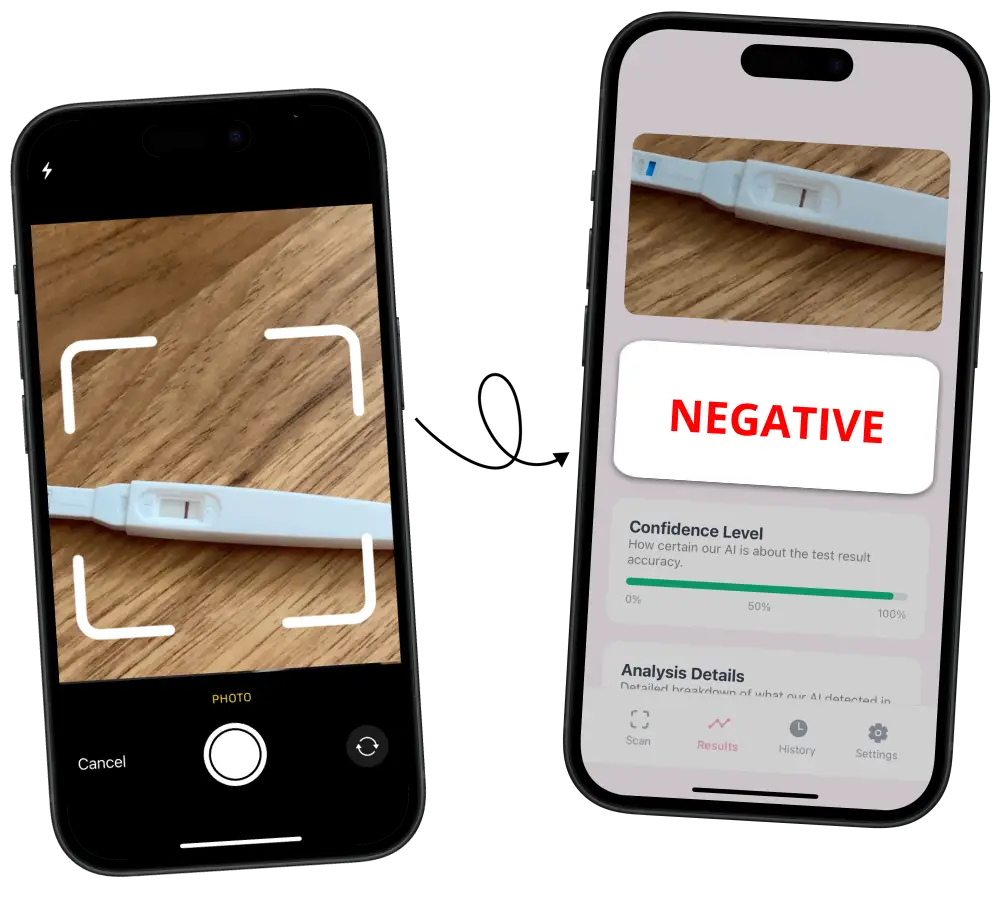
Let AI Check Your Pregnancy Test
Just take a photo and get result

Why Egg Quality Declines After 40 — and What You Can Do About It
Before exploring strategies, it helps to understand why egg quality falls with age. The mechanisms are specific, and knowing them reveals exactly where intervention is possible.
Here is what happens inside aging eggs:
- Mitochondrial decline: Eggs depend on mitochondria for the enormous energy demands of fertilization and early cell division. After 40, mitochondrial function and number decrease, reducing the energy available for healthy chromosome segregation
- Increased chromosomal errors (aneuploidy): Older eggs are significantly more likely to have the wrong number of chromosomes — a major cause of failed implantation and miscarriage
- Oxidative stress accumulation: Decades of exposure to reactive oxygen species damage egg DNA, proteins, and cell membranes, impairing developmental competence
- Declining follicular environment: The fluid surrounding maturing follicles becomes less hormonally optimal with age, affecting how the egg receives nutritional and hormonal signals
- Reduced ovarian reserve: While reserve (how many eggs remain) is separate from quality, lower reserve often correlates with accelerated quality decline due to altered follicle recruitment patterns
The critical insight is that oxidative stress and mitochondrial dysfunction are modifiable. They are not purely a product of chronological age — they are also a product of environment, nutrition, and lifestyle. That is where your window of influence lies.
Evidence-Based Strategies to Improve Egg Quality After 40
A growing body of research supports the use of targeted lifestyle and nutritional interventions to improve egg quality in women over 40. These approaches work over the 90-day follicle development window — the period during which eggs mature before ovulation — making consistency and lead time essential.
1. Prioritize Antioxidant-Rich Nutrition
Oxidative stress is one of the primary drivers of age-related egg quality decline. An antioxidant-dense diet directly counteracts this by neutralizing free radicals in the follicular environment where eggs mature.
An evidence-informed fertility diet for women over 40 looks like this:
- Increase: Colorful vegetables and fruits (especially berries, leafy greens, and orange-pigmented produce), olive oil, fatty fish, nuts and seeds, legumes, and whole grains
- Reduce: Ultra-processed foods, refined sugar, alcohol, trans fats, and excessive red meat — all of which elevate oxidative stress and systemic inflammation
- Mediterranean diet pattern: Multiple studies specifically link adherence to a Mediterranean-style diet with improved IVF outcomes and egg quality markers in women over 35
- Protein quality: Adequate protein — particularly from plant sources and fish — supports follicle development and hormone synthesis
2. CoQ10 (Ubiquinol) — The Most Evidence-Backed Supplement for Egg Quality
Coenzyme Q10, particularly in its active form ubiquinol, is the most studied supplement for age-related egg quality decline. CoQ10 is essential for mitochondrial energy production (ATP synthesis) and is a powerful fat-soluble antioxidant. Research from the University of Toronto demonstrated that CoQ10 supplementation in older mice significantly improved egg quality and embryo development — and human data from IVF populations supports its use in women with diminished ovarian reserve.
Typical evidence-informed dosing for women over 40 ranges from 400–600mg daily of ubiquinol (the reduced, more bioavailable form), taken with a fat-containing meal. Because CoQ10 levels in eggs take time to rise, begin at least 3 months before your target conception window.
3. Optimize Sleep for Melatonin's Role in Egg Protection
Melatonin is not just a sleep hormone — it is one of the most potent antioxidants produced in the body, and it is found in high concentrations in follicular fluid, where it directly protects maturing eggs from oxidative damage. Research has found that women with higher follicular fluid melatonin levels have better-quality eggs and higher fertilization rates.
- Aim for 7–9 hours of consistent, dark sleep nightly to support your body's natural melatonin production
- Avoid bright screens and overhead lighting in the hour before bed
- Keep your sleep environment as dark as possible — even dim light during sleep suppresses melatonin
- Some reproductive endocrinologists recommend 3mg melatonin supplementation in the lead-up to IVF cycles, though consult your provider before adding this
4. Reduce Exposure to Endocrine Disruptors
Environmental chemicals that interfere with hormonal signaling — particularly BPA, phthalates, and pesticide residues — have been linked to reduced egg quality and ovarian reserve. Reducing exposure is a practical and meaningful step:
- Replace plastic food storage with glass or stainless steel containers
- Avoid heating food in plastic — even BPA-free plastics may leach hormone-disrupting compounds when heated
- Choose fragrance-free personal care products and cleaning products to minimize phthalate exposure
- Prioritize organic produce for high-pesticide items (the "Dirty Dozen" list published annually by the Environmental Working Group)
- Filter your drinking water, particularly if you live in an area with known agricultural runoff
5. Calibrate Exercise — Enough, But Not Too Much
Moderate regular exercise improves insulin sensitivity, reduces inflammation, and supports hormonal balance — all of which benefit egg quality. However, overtraining is counterproductive: excessive high-intensity exercise elevates cortisol and can suppress the reproductive hormonal axis, disrupting ovulation.
- Aim for 150 minutes of moderate aerobic activity per week — walking, swimming, cycling, yoga
- Include strength training to support metabolic health and insulin sensitivity
- If you currently do intense daily training, consider reducing volume during your conception effort and replacing some sessions with restorative practices like yoga or Pilates
6. Manage Blood Sugar and Insulin
Insulin resistance — even subclinical levels not yet meeting the threshold for diabetes — has a direct negative impact on follicle development and egg quality. This is particularly relevant after 40, when metabolic changes make insulin resistance more common. Strategies include:
- Eating meals with a balance of protein, healthy fat, and fiber to blunt glucose spikes
- Avoiding refined carbohydrates and sugary beverages on an empty stomach
- Short walks after meals — even 10 minutes — which have been shown to meaningfully reduce post-meal glucose levels
- Consider asking your doctor to check fasting insulin and HbA1c as part of your fertility workup
7. Targeted Supplements with Evidence Behind Them
Beyond CoQ10, several other supplements have emerging or established evidence for supporting egg quality in women over 40. Always consult your healthcare provider before starting any supplement regimen.
- DHEA (Dehydroepiandrosterone): Used in women with diminished ovarian reserve, DHEA has been associated with improved egg and embryo quality in multiple studies. Typically 25–75mg/day; requires medical supervision due to androgenic effects
- Methylfolate (active folate): Essential for DNA synthesis and methylation. Choose the methylated form (5-MTHF) rather than synthetic folic acid, especially if you have MTHFR gene variants
- Vitamin D: Deficiency is linked to poorer IVF outcomes and lower egg quality. Get levels tested and supplement to reach optimal range (40–60 ng/mL)
- Omega-3 fatty acids (DHA/EPA): Incorporated into egg cell membranes, omega-3s support membrane fluidity and anti-inflammatory signaling in the follicular environment
- NAC (N-acetyl cysteine): A precursor to glutathione — the body's master antioxidant — NAC helps protect eggs from oxidative damage
- Myo-inositol: Particularly useful for women with insulin resistance or PCOS overlap, inositol improves follicle sensitivity to FSH and supports egg maturation
Let AI Check Your Pregnancy Test
Just take a photo and get result
How Age Affects Egg Quality — and What the Data Actually Shows
Understanding the real numbers helps set accurate expectations and avoids both unnecessary panic and false reassurance.
- At 40: Approximately 40–50% of eggs retrieved in IVF cycles are chromosomally normal (euploid) — lower than at 35, but far from zero
- At 42–43: Euploid rates fall to roughly 25–35%, meaning a higher proportion of cycles and embryos may be needed to achieve a successful pregnancy
- At 44–45: Euploid rates drop to approximately 10–20%; many women at this stage transition to donor egg consideration
These statistics are population averages. Individual variation is significant — some women at 43 have excellent egg quality; others at 40 face more challenge. Tests like AMH, antral follicle count, and FSH give personalized information about your ovarian reserve, which correlates (though imperfectly) with egg quality. A reproductive endocrinologist can interpret these results in the context of your full picture.
Medical Options That Work Alongside Natural Strategies
Natural approaches and medical support are not opposites — the most effective path often combines both. Here is what reproductive medicine offers women over 40 who want to optimize egg quality:
Fertility Testing: Know Your Baseline
Before investing months in lifestyle changes, get a clear picture of where you are starting. Ask your doctor for:
- AMH (anti-Müllerian hormone): The most reliable single marker of ovarian reserve — though note it measures quantity, not quality directly
- Antral follicle count (AFC): An ultrasound count of small follicles in both ovaries at the start of a cycle — reflects how many eggs are available to develop
- FSH and estradiol (Day 3): Elevated FSH and estradiol can signal declining ovarian reserve
- Thyroid function (TSH, Free T4): Thyroid dysfunction is common after 40 and directly affects egg quality and implantation
Preimplantation Genetic Testing (PGT-A) in IVF
For women over 40 pursuing IVF, preimplantation genetic testing for aneuploidy (PGT-A) allows embryos to be screened for chromosomal normality before transfer. This does not improve egg quality itself, but it allows selection of euploid (chromosomally normal) embryos, which meaningfully improves the chance of a successful transfer and reduces miscarriage risk.
DHEA and Growth Hormone Protocols
Some reproductive endocrinologists use DHEA supplementation and growth hormone as adjuncts to IVF protocols in women with diminished ovarian reserve, citing evidence of improved egg yield and quality. These are medical interventions that require monitoring — not something to pursue without specialist guidance — but they represent an area where evidence continues to grow.
The 90-Day Window: Why Timing Your Intervention Matters
The follicle development cycle takes approximately 90 days from primordial follicle recruitment to ovulation. This means that the egg you ovulate today was responding to your body's internal environment three months ago. This is both sobering and empowering:
It means that changes you make today will not affect this month's egg — but they will meaningfully affect the eggs you ovulate in roughly three months' time. Consistency over 90 days is the foundation of any egg quality protocol. Starting supplements, improving diet, prioritizing sleep, and reducing toxic exposures in month one creates a qualitatively different follicular environment by month three.
For women over 40, this timeline has real urgency. Beginning interventions promptly — rather than waiting to see if natural conception occurs without changes — is the rational approach given the trajectory of age-related decline.
Emotional Wellbeing While Working to Improve Egg Quality
Trying to conceive after 40 carries a particular emotional weight: the urgency of time, the visibility of statistics, and the uncertainty of outcomes all compound the normal stress of trying to start or grow a family. This is valid, and it matters clinically — not just personally.
Chronic psychological stress elevates cortisol, which directly suppresses the reproductive hormonal axis. Managing stress is not separate from your egg quality protocol — it is an integral part of it. Consider:
- Mindfulness-based stress reduction (MBSR) — structured programs with demonstrated effects on fertility-related anxiety
- Therapy with a reproductive mental health specialist — particularly helpful for navigating complex feelings around age, time pressure, and treatment decisions
- Community support through resources like RESOLVE: The National Infertility Association, which offers peer support groups specifically for women over 40 trying to conceive
Your emotional health is not a luxury consideration while pursuing fertility. It is part of the protocol.
When to See a Doctor
Seek Evaluation Promptly at 40 and Over
The standard medical guidance of trying for 12 months before seeking evaluation does not apply to women over 40. Current guidelines from the American Society for Reproductive Medicine recommend that women 40 and older undergo fertility evaluation immediately upon deciding to try to conceive — or after just 6 months of trying without success at 35–39. Time matters more at this stage, and knowing your baseline sooner allows smarter decisions.
Urgent Symptoms to Watch For
Seek prompt medical attention if you experience:
- Sudden changes in cycle length or pattern
- Significantly heavier or lighter periods than usual
- Hot flashes, night sweats, or vaginal dryness — which may indicate perimenopause and accelerating ovarian reserve decline
- Positive pregnancy test followed by heavy bleeding — which may indicate a chemical pregnancy and warrants evaluation for recurrent loss
Testing Pregnancy After 40 with Irregular Cycles
Women over 40 often experience cycle irregularity as ovarian reserve declines, which can make it harder to know when to test. If you have pregnancy symptoms — breast tenderness, nausea, fatigue, or a missed period — alongside a negative home test, request a quantitative blood hCG test. Late ovulation can cause home tests to appear negative when a very early pregnancy is present. An AI pregnancy test scanner can also help you read faint or ambiguous lines on home tests more accurately.
Let AI Check Your Pregnancy Test
Just take a photo and get result

Frequently Asked Questions
How long does it take to improve egg quality after 40?
Because follicle development takes approximately 90 days, a minimum of three months of consistent intervention is needed before changes in egg quality can be reflected in your ovulated eggs. Most specialists recommend beginning protocols at least 3–6 months before your target conception window or before an IVF cycle. Consistency matters more than perfection — steady adherence to a protocol over 90 days produces better results than an intense but inconsistent approach.
What is the most effective supplement for egg quality after 40?
CoQ10 (as ubiquinol) has the strongest evidence base specifically for age-related egg quality decline, due to its direct role in mitochondrial energy production. However, it works best as part of a broader protocol that includes methylfolate, vitamin D, omega-3s, and antioxidant-rich nutrition. No single supplement is a substitute for a comprehensive approach, and individual responses vary — a reproductive endocrinologist can help tailor supplementation to your specific test results.
Can you get pregnant naturally at 40 with poor egg quality?
Yes — many women over 40 with suboptimal egg quality markers do conceive naturally, particularly in the early 40s. Egg quality exists on a spectrum, and even with a lower proportion of chromosomally normal eggs, natural conception is possible. The strategies in this article aim to shift that proportion in your favor. That said, seeking medical evaluation early and not delaying treatment is critical when you are over 40, given the pace of age-related change.
Does stress affect egg quality?
Chronic stress elevates cortisol, which interferes with the hormonal signals governing follicle development and ovulation. There is also evidence that stress increases oxidative stress markers in follicular fluid, directly affecting the egg's environment. Managing stress through structured approaches — mindfulness, therapy, adequate rest — is a legitimate and evidence-supported part of an egg quality protocol, not a soft add-on.
Is donor egg the only option after 40?
No. Many women conceive with their own eggs after 40, both naturally and through IVF. Donor egg becomes a more common recommendation typically at 43–45 and beyond, or when ovarian reserve has declined to a degree where own-egg IVF is unlikely to succeed. A thorough evaluation — including AMH, AFC, and ideally an IVF consultation — helps distinguish between women who have a reasonable chance with their own eggs and those for whom donor egg represents a more effective path to parenthood.
Conclusion: Improving Egg Quality After 40 Is a Real and Worthwhile Goal
Learning how to increase egg quality after 40 is about intervening in the biological processes that are modifiable — oxidative stress, mitochondrial function, hormonal environment, and inflammatory tone — during the 90-day window when follicles are actively developing. It requires consistency, time, and a willingness to combine lifestyle strategies with timely medical evaluation.
An age-related decline in egg quality is real. But so is the body's responsiveness to the right support. Women over 40 conceive healthy pregnancies every day — with their own eggs, with medical assistance, and sometimes through natural conception alone. The strategies in this article represent your best opportunity to influence that outcome.
Start early. Be consistent. Work with a specialist who understands fertility after 40. And remember: the 90-day window means that every month you invest in this protocol is a month that counts.