

How to Get Pregnant with Endometriosis Naturally: Strategies, Science, and What to Expect
Can You Get Pregnant with Endometriosis Naturally?
If you have been diagnosed with endometriosis and are trying to conceive, you may be wondering whether getting pregnant with endometriosis naturally is truly possible. The short answer is: yes, many women do — and understanding why, and how, is the first step toward giving yourself the best possible chance.
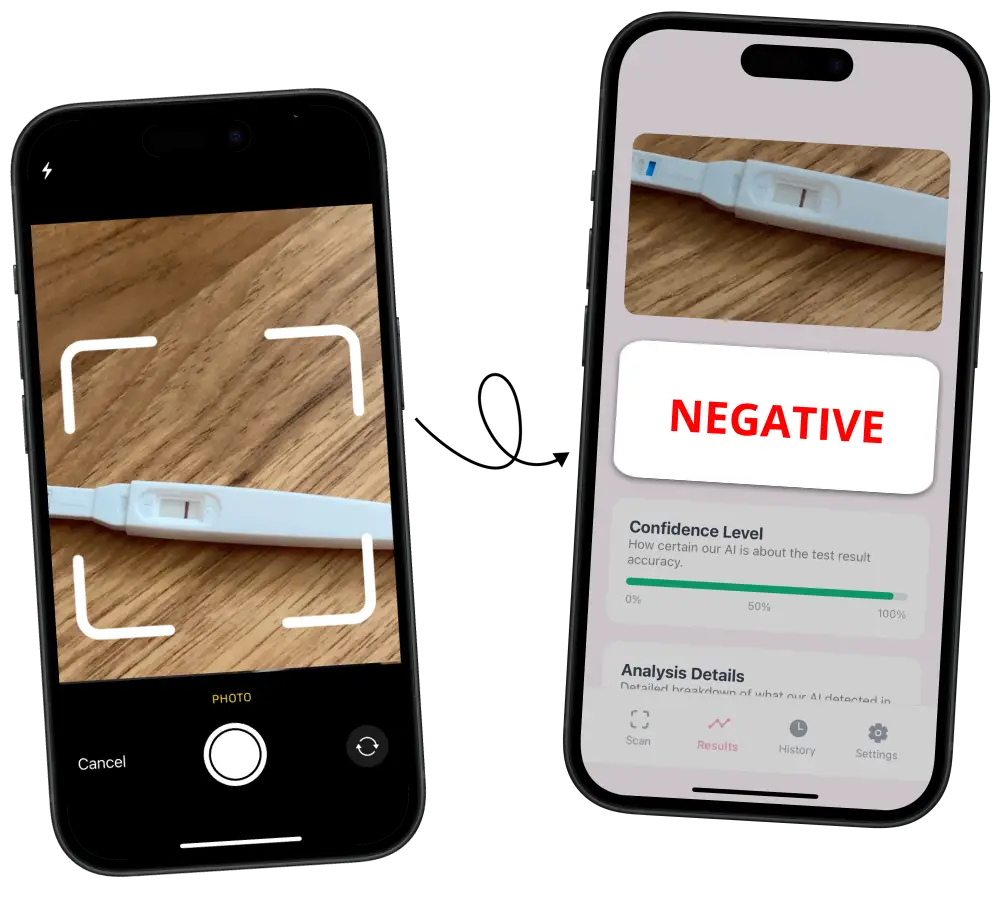
Let AI Check Your Pregnancy Test
Just take a photo and get result

How Endometriosis Affects Fertility
Before exploring natural conception strategies, it helps to understand the mechanisms by which endometriosis reduces fertility. The condition does not affect every woman the same way, and knowing what is specifically happening in your body guides the most effective approach.
Here is how endometriosis can interfere with conception:
- Distorted pelvic anatomy: Adhesions and scar tissue can block or damage the fallopian tubes, preventing the egg from traveling to the uterus
- Endometriomas (ovarian cysts): These "chocolate cysts" reduce egg quality and ovarian reserve over time
- Inflammatory pelvic environment: Elevated inflammatory markers in peritoneal fluid can impair sperm function and embryo implantation
- Hormonal disruption: Endometriosis can interfere with normal ovulation and luteal phase function
- Immune system alterations: Changed immune responses may affect how the uterine lining accepts and sustains an embryo
The critical point is that not all of these mechanisms operate in every woman with endometriosis, and many can be meaningfully addressed through natural and medical strategies.
Natural Strategies to Get Pregnant with Endometriosis
A growing body of evidence supports the role of lifestyle interventions in improving fertility outcomes for women with endometriosis. These approaches target inflammation, hormonal balance, egg quality, and the receptivity of the uterine environment.
1. Follow an Anti-Inflammatory Diet
Endometriosis is fundamentally an inflammatory condition, and diet is one of the most powerful tools available to reduce systemic inflammation. Research published in Human Reproduction found that higher intake of omega-3 fatty acids was associated with reduced endometriosis risk, while trans fats were linked to increased risk.
An evidence-informed endometriosis fertility diet looks like this:
- Increase: Fatty fish (salmon, sardines, mackerel), olive oil, leafy greens, berries, turmeric, ginger, walnuts, and flaxseed
- Reduce: Red and processed meat, refined sugar, alcohol, trans fats, and ultra-processed foods
- Consider: A gluten-free trial — some studies and patient reports suggest symptom improvement, though individual responses vary
- Fiber: High-fiber foods support estrogen clearance via the gut, which is particularly important given that endometriosis is estrogen-dependent
2. Time Intercourse Precisely Around Ovulation
Because endometriosis may narrow the monthly window for successful conception, precise ovulation tracking becomes especially important. A combination of methods gives the most reliable picture:
- Ovulation predictor kits (OPKs): Detect the LH surge 12–36 hours before ovulation; begin testing from day 8–10 if your cycles are irregular
- Basal body temperature (BBT): A slight temperature rise confirms ovulation has occurred — track daily with a digital BBT thermometer
- Cervical mucus monitoring: Egg-white consistency signals peak fertility
Aim to have intercourse every 1–2 days during your fertile window, which spans approximately 5 days before ovulation through ovulation day itself.
3. Reduce Endocrine Disruptors
Certain environmental chemicals act as xenoestrogens — compounds that mimic estrogen in the body and may worsen endometriosis by fueling estrogen-dependent tissue growth. Reducing exposure supports a healthier hormonal environment:
- Replace plastic food containers with glass or stainless steel to reduce BPA exposure
- Avoid synthetic fragrances and choose fragrance-free personal care products to limit phthalate exposure
- Choose organic produce for the most pesticide-contaminated items (the "Dirty Dozen" list)
- Filter your drinking water and avoid heating food in plastic containers
4. Support Hormonal Balance Through Lifestyle
Since endometriosis is driven by estrogen, supporting the body's natural estrogen metabolism can help reduce disease activity and improve the hormonal environment for conception:
- Maintain a healthy weight: Adipose tissue produces estrogen; excess body fat can fuel disease activity, while being underweight disrupts ovulation
- Exercise moderately: Regular moderate exercise reduces circulating estrogen and inflammation — avoid overtraining, which can suppress ovulation
- Prioritize sleep: Melatonin plays a direct protective role in egg quality; aim for 7–9 hours of consistent, dark sleep nightly
- Manage chronic stress: Elevated cortisol suppresses the hormonal axis governing ovulation — incorporate yoga, mindfulness, or therapy as active stress management tools
5. Consider Evidence-Supported Supplements
Several supplements have emerging evidence supporting their use in endometriosis and fertility. Always consult your healthcare provider before starting any supplement regimen.
- N-acetyl cysteine (NAC): A randomized trial found NAC reduced endometrioma size and pain; its antioxidant properties may also support egg quality
- Omega-3 fatty acids: Reduce the prostaglandins that drive inflammation and painful cramping
- Vitamin D: Deficiency is disproportionately common in women with endometriosis; adequate levels support immune regulation
- Folate or methylfolate: Essential for early fetal development — begin at least 3 months before trying to conceive
- CoQ10 (Ubiquinol): Supports mitochondrial energy in eggs, particularly valuable for women over 35
- Magnesium: Helps relax uterine cramping and supports progesterone production
6. Explore Acupuncture and Complementary Therapies
Some evidence supports the use of acupuncture as a complementary therapy for endometriosis-related infertility. Studies suggest it may improve blood flow to the uterus, regulate the hormonal axis, and reduce pain. While not a standalone treatment for moderate or severe disease, acupuncture is considered safe and potentially beneficial alongside conventional care.
Let AI Check Your Pregnancy Test
Just take a photo and get result
How Endometriosis Stage Affects Natural Conception Chances
Endometriosis is classified into four stages by the American Society for Reproductive Medicine (ASRM). Stage affects, but does not determine, your likelihood of natural conception.
- Stage I (Minimal): Isolated implants with no significant scarring. Natural conception rates are close to those of women without endometriosis with appropriate timing and lifestyle support
- Stage II (Mild): More implants, early adhesions. Many women conceive naturally; lifestyle strategies and precise cycle tracking are particularly effective
- Stage III (Moderate): Endometriomas and more extensive adhesions. Natural conception is possible but may take longer; medical evaluation is recommended sooner than the standard 12-month guideline
- Stage IV (Severe): Extensive disease and anatomical distortion. Natural conception occurs but is less common; a reproductive specialist should be involved in your care plan early
Knowing your stage — confirmed by laparoscopy, the only definitive diagnostic method — helps set realistic expectations and guides the right timeline for seeking additional support.
Medical Interventions That Support Natural Conception
Certain medical approaches work alongside natural strategies to restore conditions for spontaneous conception — these are not the same as IVF or full assisted reproduction.
Laparoscopic Surgery
Surgical removal of endometriotic lesions and adhesions is the most evidence-backed intervention for improving natural pregnancy rates in stage I–II endometriosis. A large Cochrane review found that laparoscopic treatment roughly doubled spontaneous pregnancy rates compared to diagnostic laparoscopy alone. For endometriomas, surgical removal (cystectomy) improves egg access and follicular development.
Important note: Repeated ovarian surgery carries a risk of reducing ovarian reserve. The decision should be made carefully with a reproductive surgeon who understands fertility preservation.
Know Your Ovarian Reserve
Endometriosis can silently diminish ovarian reserve over time. Ask your doctor for an AMH (anti-Müllerian hormone) blood test and antral follicle count (AFC) via ultrasound. These measurements reveal how much time you have to try naturally before reserve becomes a limiting factor — critical information for timing your approach.
Pain Management Without Suppressing Ovulation
Hormonal therapies used to manage endometriosis pain — such as the combined pill, GnRH agonists, or progesterone-only treatments — prevent ovulation and therefore prevent natural conception while in use. If you are actively trying to conceive, work with your doctor to manage pain through non-hormonal means: NSAIDs, dietary strategies, physiotherapy, and nerve-targeted approaches.
Emotional Wellbeing While Trying to Conceive with Endometriosis
The combination of chronic pain, fertility uncertainty, and monthly disappointment makes trying to conceive with endometriosis one of the most emotionally demanding experiences a person can face. The rollercoaster of hope and frustration is real and valid.
It is important to know that your emotional state directly affects your hormonal environment. Chronic psychological stress elevates cortisol, which can disrupt ovulation timing. Caring for your mental health is not separate from your fertility strategy — it is part of it.
Consider connecting with endometriosis-specific support communities such as the Endometriosis Foundation of America or online peer communities. Speaking with a reproductive endocrinologist about your complete picture — not just your test results — can also restore a sense of agency.
If anxiety or grief around fertility becomes overwhelming, a therapist who specializes in reproductive health can provide targeted, meaningful support.
When to See a Doctor
Routine Fertility Evaluation
If you have been trying to conceive for 6 months or more with an endometriosis diagnosis, schedule an appointment with a reproductive endocrinologist or OB-GYN who specializes in endometriosis. An AMH test, AFC ultrasound, and hysterosalpingogram (HSG) to check tubal patency are the standard starting evaluations and provide a clear picture of your natural conception potential.
Urgent Symptoms
Seek immediate medical attention if you experience:
- Sudden or severe pelvic pain
- Heavy or abnormal vaginal bleeding
- Dizziness, fainting, or shoulder tip pain
- Fever or signs of infection following pelvic procedures
These symptoms may indicate an ectopic pregnancy, ruptured endometrioma, or ovarian torsion — all of which require urgent evaluation regardless of your test results.
Persistent Pregnancy Symptoms with Negative Tests
Women with endometriosis may have irregular cycle patterns that complicate test timing. If you have strong pregnancy symptoms — nausea, breast tenderness, a missed period — but home tests are negative, request a quantitative blood hCG test from your doctor. Endometriosis-related cycle irregularity can occasionally result in later implantation, making home tests appear negative when a very early pregnancy is present.
Let AI Check Your Pregnancy Test
Just take a photo and get result
Frequently Asked Questions
Can you get pregnant naturally with stage 4 endometriosis?
Yes, though it is less common than in earlier stages. Stage IV endometriosis involves extensive adhesions and structural distortion, which significantly reduces monthly conception chances. However, natural conception does occur. A reproductive specialist can assess your specific anatomy and ovarian reserve to advise whether trying naturally first is reasonable or whether surgical or assisted reproductive options should be pursued sooner.
How long does it take to get pregnant with endometriosis naturally?
This varies considerably by stage and individual factors. Women with stage I–II endometriosis may conceive within 6–12 months of actively trying. Those with more advanced disease may take longer or require medical support. Because endometriosis can reduce ovarian reserve over time, avoiding prolonged delays in seeking evaluation is important — especially for women over 30.
Does endometriosis get worse if you don't get pregnant?
Endometriosis is estrogen-dependent and can progress during the reproductive years regardless of pregnancy. Pregnancy temporarily suppresses the condition due to its high-progesterone environment, but it is not a cure. Long-term management requires medical support whether or not you are trying to conceive, and is important for protecting ovarian reserve over time.
Can diet alone restore fertility with endometriosis?
Diet cannot cure endometriosis, but it is one of the most evidence-backed tools for reducing inflammation and symptom severity. An anti-inflammatory diet supports a better hormonal and immune environment for conception and complements medical treatment. It works best as part of a comprehensive strategy rather than a standalone approach.
Will pregnancy cure endometriosis?
Pregnancy does not cure endometriosis. During pregnancy, the high-progesterone environment often provides significant symptom relief. After delivery, the condition typically returns as hormones normalize, though some women report prolonged improvement. Breastfeeding can extend the period of symptom suppression by delaying the return of menstruation.
Conclusion: Getting Pregnant with Endometriosis Naturally Is Possible
Learning how to get pregnant with endometriosis naturally is about building the best possible conditions for conception through a combination of targeted lifestyle changes, precise ovulation tracking, hormonal support, and timely medical evaluation. There is no single solution — it is about stacking evidence-based strategies in your favor.
An endometriosis diagnosis is a real challenge, and its impact on fertility is real. But so is the resilience of the body with the right support, and so are the many thousands of women with endometriosis who conceive and carry healthy pregnancies every year.
Work with a specialist who takes your concerns seriously, give your body every natural advantage available, and remember: asking for medical help is not a departure from the natural path — it is a part of it. Many women in exactly your situation have gone on to healthy, successful pregnancies.
When the two-week wait is over and you take a home test, our AI pregnancy test reader can analyze a photo of it, including results with a faint line.